San Miguel de Allende & Colonia San Antonio
San Miguel de Allende is located in North-Central Mexico’s altiplano that lies between the Sierra Madre Oriental and Sierra Madre Occidental mountain ranges. At an elevation of a little over 6,000 feet the city enjoys low humidity and a mild climate with generally warm days and cool nights throughout the year. The rainy season occurs during the summer months with sporadic thunderstorms typically occurring in the late afternoons.

San Miguel dates back over 480 years to when the town was founded by Father Juan de San Miguel during the period of Spanish influence. The city thrived as part of a trade route during the 17th and 18th centuries as the Spanish exploited the rich silver deposits of the Bajio region of north central Mexico. During this period merchants and bankers of San Miguel built grand homes and helped finance the construction of many fine churches that remain today. In 1826 the city’s name was changed to San Miguel de Allende to honor San Miguel’s own General Ignacio Allende who was a principle figure and hero in the movement to gain Mexico’s independence from Spain.
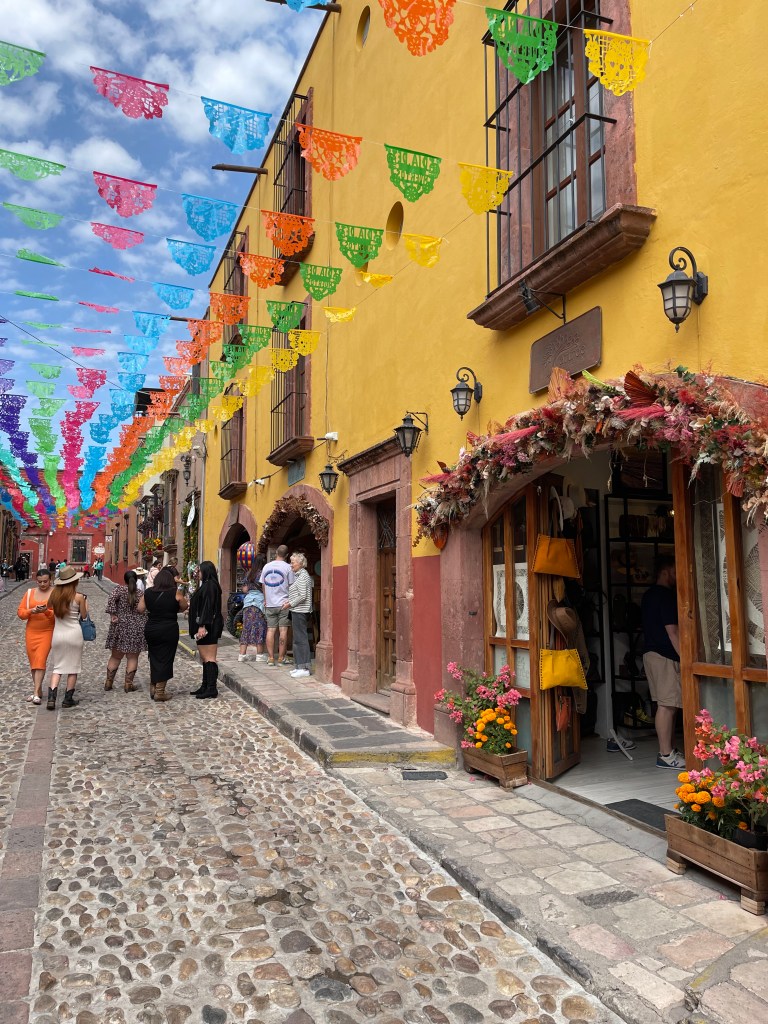
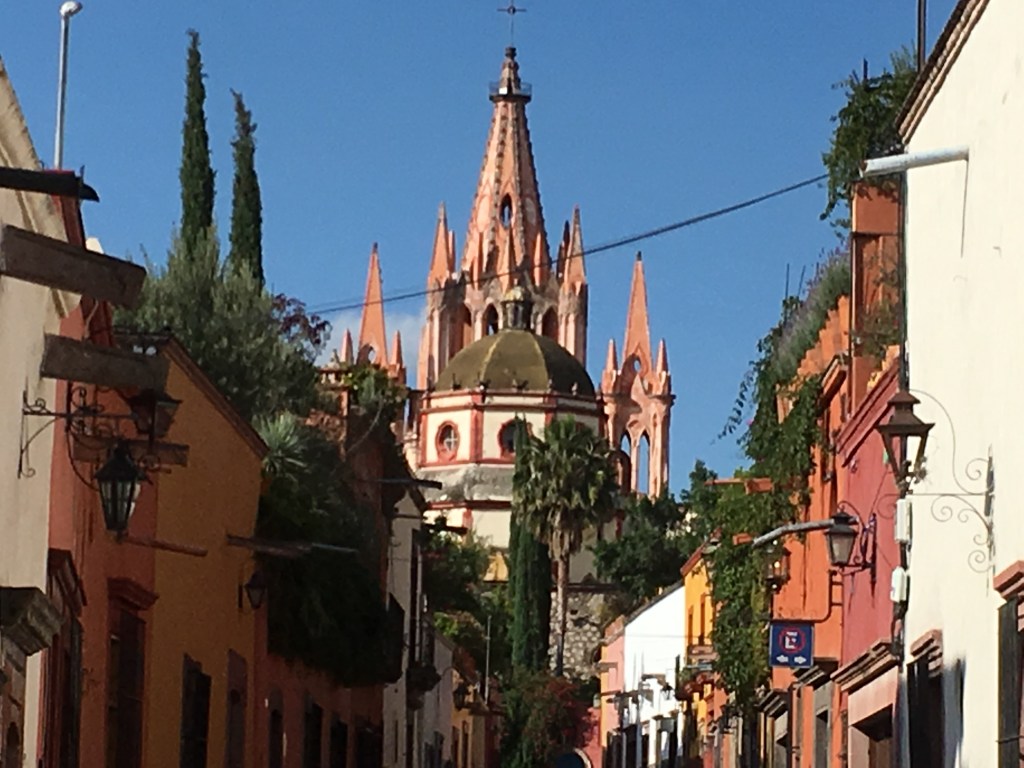
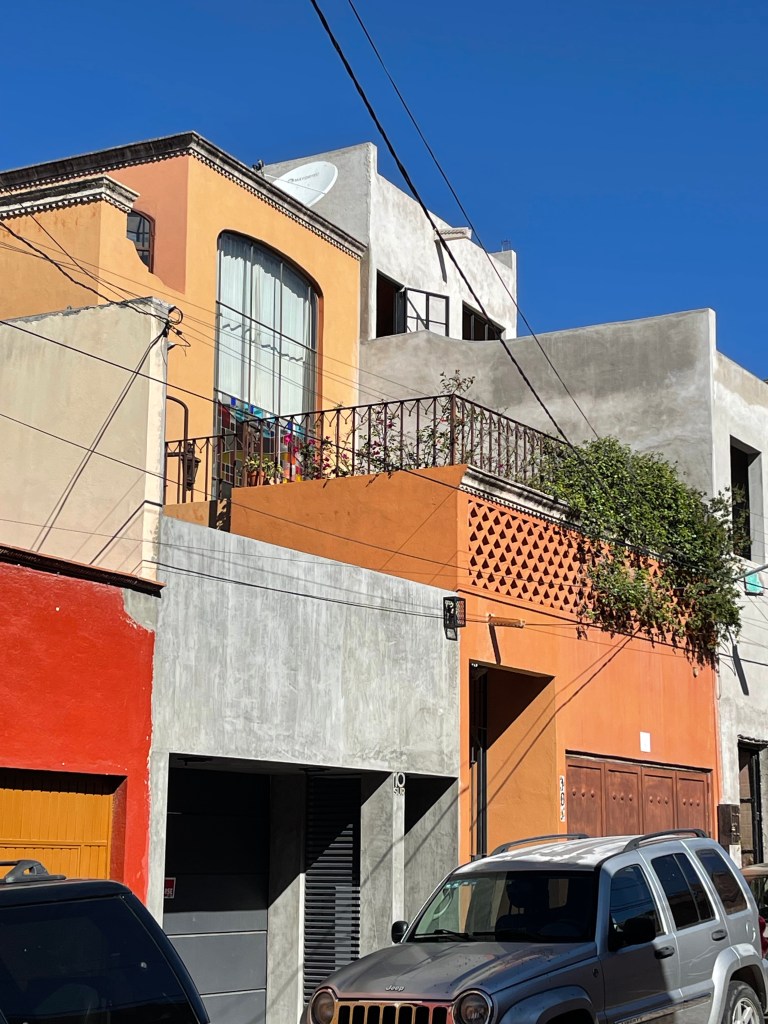
After the Mexican War of Independence the economic conditions in the area suffered and the city became lost in time as it slowly moved toward becoming a ghost town. This neglect served to preserve the city and in 1926 Mexico’s Instituto Nacional de Antropologia e Historia (INAH) declared San Miguel an “Historic and Protected Town”. During the following years the city began to attract artists and writers including one notable individual by the name of Sterling Dickinson who established the Instituto Allende.
Many veterans from WWII came to San Miguel de Allende to study art at Instituto Allende and many stayed. As they say, the rest is history. Over the years and decades many more people came to San Miguel to pursue their creative aspirations and others came merely to escape the harsh winter weather of the north.

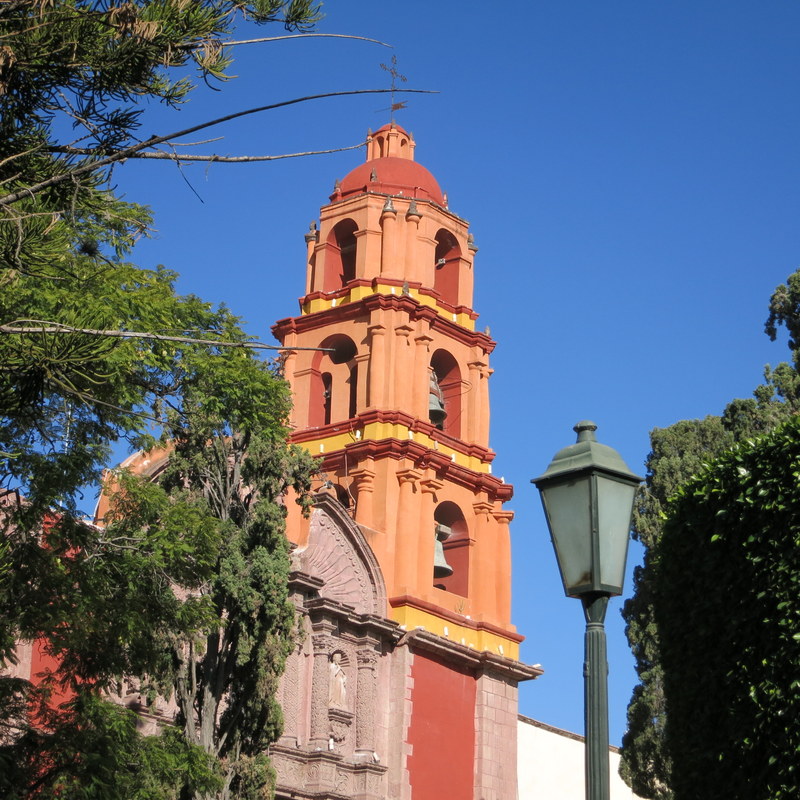
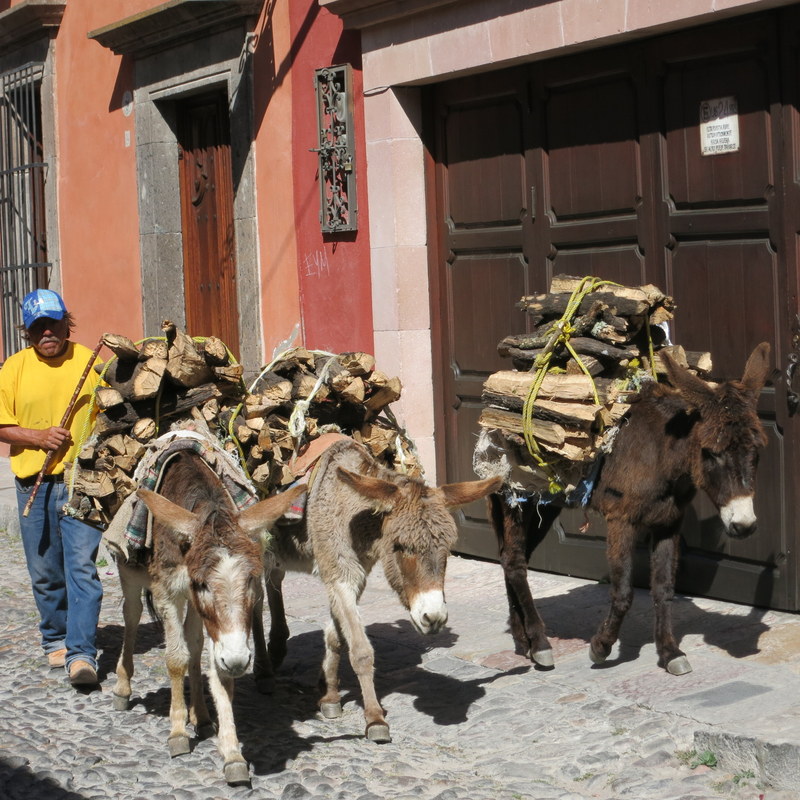

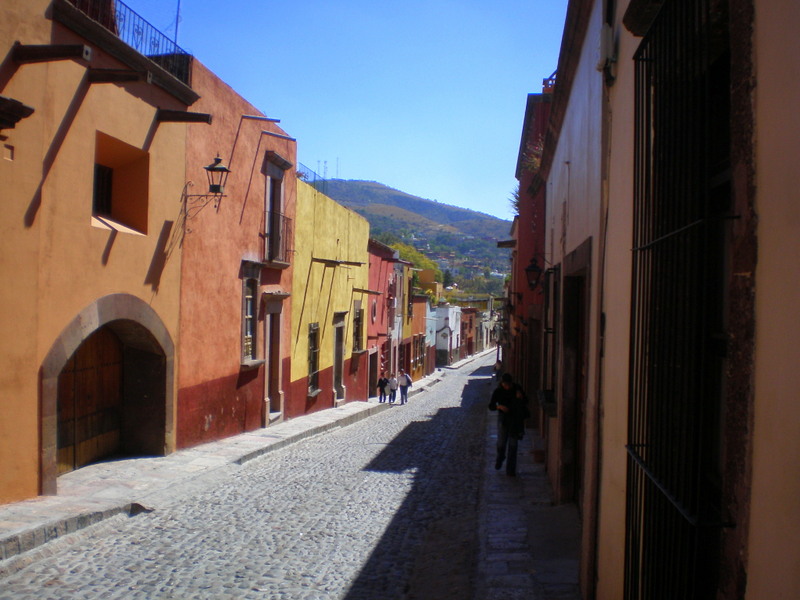

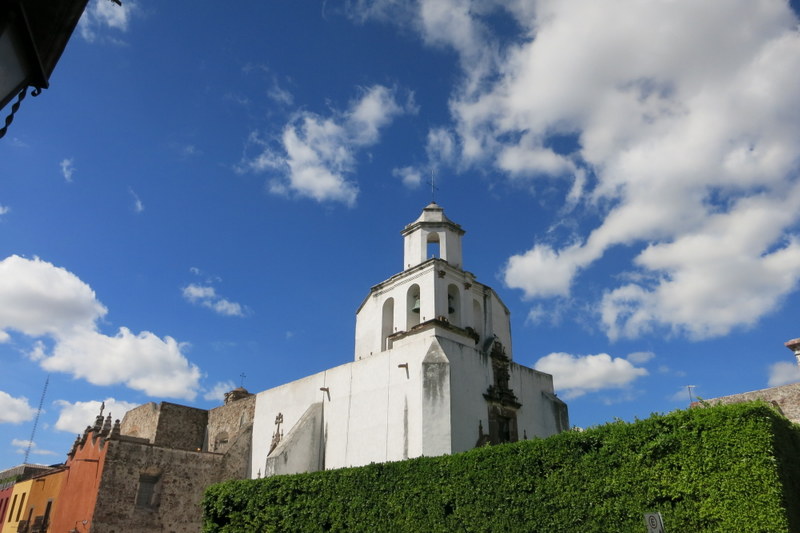
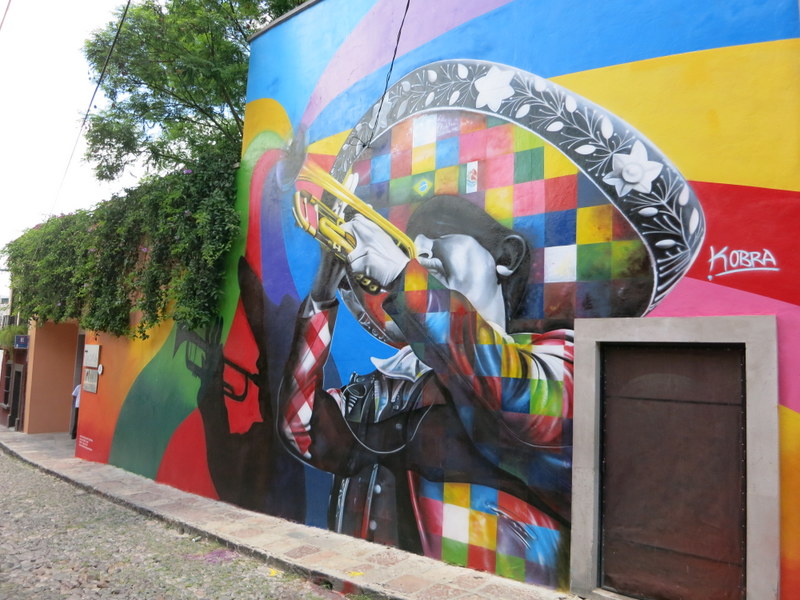
The people who came to San Miguel and stayed applied much of their creative energy toward revitalizing and restoring the majority of the Baroque/Neoclassical colonial structures that had survived the centuries. The culmination of these efforts came in 2008 when San Miguel de Allende gained status as a UNESCO World Heritage site.
Today San Miguel de Allende remains a vibrant, colorful, exciting, and lively city. Visitors are encouraged to look behind the many walls where so many treasures lie. Be they restaurants, galleries, boutiques, inns, or whatever, there is always something awaiting those who choose to explore…. Or simply observe a few of the many celebrations that sustain the lively atmosphere for which San Miguel de Allende is known.
 Casa de La Luz